
MenuWorks Blog
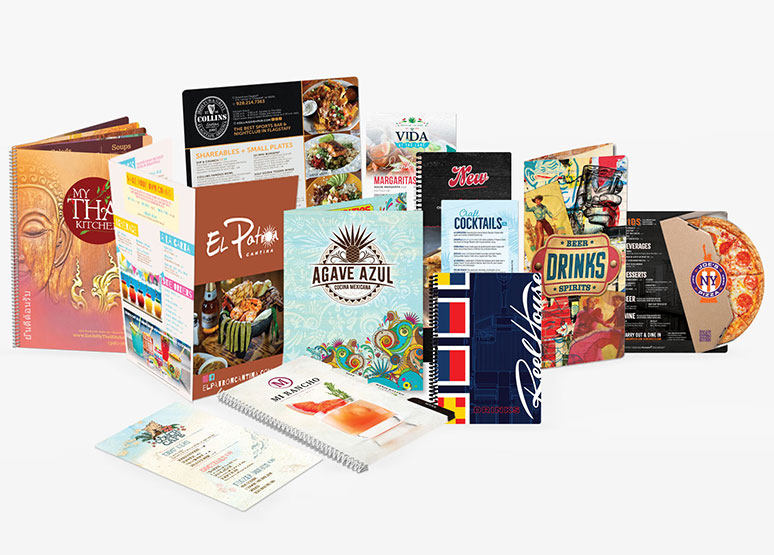
New Year, New Menus!
Make a New Year’s resolution to stir up some excitement at your restaurant to engage customers, old and new. One of the best ways to achieve this is by revamping your menu. From impactful visual changes such as updating menu size, color, graphics, and layout to more in-depth, revenue-focused updates, utilizing menu optimization methodology to culinary updates including removing slow-sellers and adding new dishes in categories guests want, now is the time to rethink things for 2024.
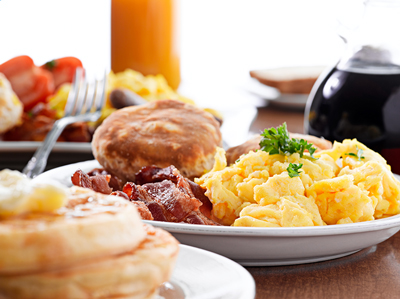
Expanding Your Menu with Breakfast & Brunch
It’s always good business to give patrons what they want. Expand your restaurant’s menu to include breakfast and brunch options. Adding these meals can potentially increase revenue and attract customers. There are a few factors to consider before adding breakfast and brunch to your menu. Let’s take a look at how to best maximize your menu expansion.
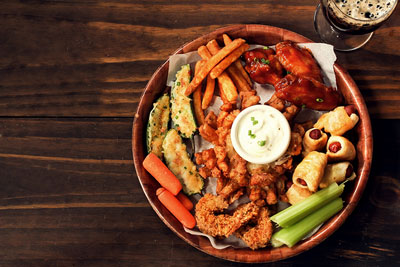
Appetizers Make a Tasty Introduction & Boost Guest Checks!
Creating thousands of menus throughout the years, the MenuWorks team has seen some interesting, delicious, and profitable appetizer selections. Inspired by these delectable offerings, let's dish out why it's good business to include a variety of enticing appetizers on your menu.

Pumpkin Spice Up Your Menu & Fall Revenue
As leaves turn orange and summer turns to fall, pumpkin spice is all the rage on menus. Americans spend $500 million on pumpkin spice-flavored offerings annually, notes advertising publication, Ad Age. You don’t have to be a big chain with a seasonal promotional budget to give patrons what they want, so plan to bring customers into your establishment to enjoy fall’s favorite flavor in delicious and novel ways
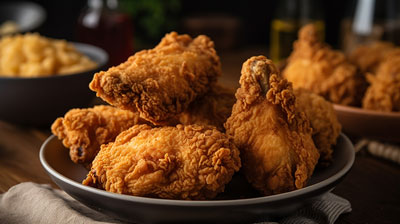
Comfort Classics with a Modern Twist
Who doesn’t love comfort food? These soul-satisfying dishes have long served restaurants well. Today’s foodies still crave these tried and true dishes but are looking for more. That’s where modern twists on comfort classics come in, helping boost your bottom line while gaining a trend-friendly edge over the competition.

Food Tourism Makes Way for a Delicious & Profitable Summer
Tourists love to take in the sights, hit the beach, visit parks, cultural institutions, monuments, and dine in the areas they’re visiting. Make sure you’re ready for their business this summer and during busy holiday travel seasons. Whether you’re located in an area known for food tourism (yes, it’s a thing) or situated near a well-known beach, theme park, must-see landmark, seaside or resort community, or in a district known to attract tourists and more seasonal foot traffic, give the people what they want - local flair and good eats!
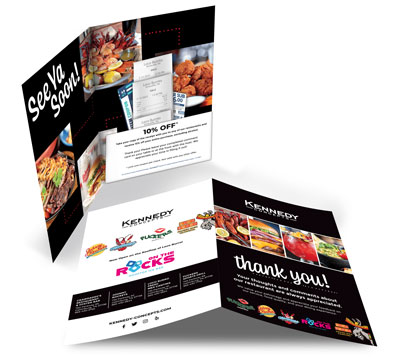
Check Please: Custom Check Presenters Are the Perfect End to A Meal
Custom Check Presenters are a savvy, captivating way for restaurants to keep the branding going after the end of a meal. These durable laminated and waterproof designs make colors, photos, and messaging pop and are easy to clean. Customized presenters are also an effective way to engage customers to join your loyalty program; add a QR code for guests to scan and sign up or include a short paper form inside with the check that your patrons can fill in.

Celebrate Mother’s Day & Father’s Day with Appealing Menus
Mother’s Day and Father’s Day will soon be here. Now that families have returned to dining out after a significant dip due to the pandemic, make sure your restaurant is ready to meet their needs on mom and dad’s red-letter days. Organize your menus now with special meals to celebrate the special people in your patron’s lives to bring in the crowd -- and profits -- this May 14th and June 18th.
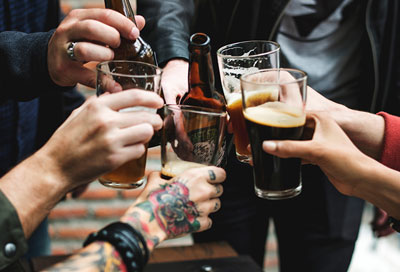
Tap Into Sales with Local Craft Beers
It’s time to say cheers to craft beers! Widely popular in the United States, small craft breweries are attracting a plethora of loyal fans. Combined with consumers’ increasing desire to shop small and shop local, savvy restaurants can now drink up the profits by featuring craft beers from area breweries. This allows your guests to enjoy the craft makers they know and love and discover new ones, as well as support the community. Plus, fans of local breweries will be delighted to pair their favorite quaffs with your food.

Print for Profits: Returning to “Real” Menus
With the events of the last few years, the use of neat, attractive print menus got sidelined. Now that business is rebounding closer to pre-pandemic levels, it’s time to re-think, re-invent, and successfully position your establishment amidst your competitors…and that starts with creating a result-garnering menu.
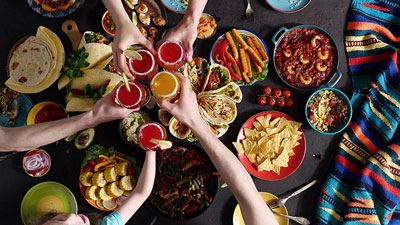
Celebrate your Cinco De Mayo Specials with Festive Menus & More
With May 5th just around the corner, it’s time for restaurants to plan their festive day or week-long celebration of Cinco de Mayo. Make your offerings pop and celebrate in style! Whether you operate a Mexican restaurant or would like to feature timely offerings with a south-of-the-border flair, attractive menus, inserts, and table tents featuring Mexican dishes and/or drink specials will appeal to your customers.
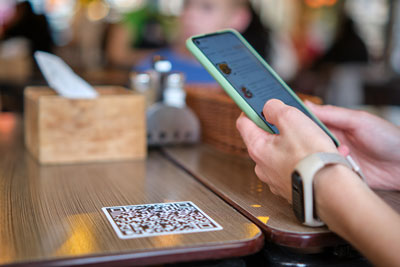
Scan or Scam? Cyber Crooks Can Easily Commandeer Restaurant QR Codes
During the pandemic, restaurants were pressed to find ways for a contactless experience for patrons to keep their businesses alive. Enter the use of the handy, formerly innocuous QR code. Diners and takeout customers were able to simply scan a code on a sheet of paper, menu, or table tank and see the entire menu, and even order and pay directly online. It was convenient enough and the use of QR codes has continued at many establishments that are now back to conducting business as in pre-pandemic times.

Restaurants: Spice Up Your Menu with G Z-Licious Selections
Today, we will look at how the younger generation lives and dines. We're talking about Generation Z. Studies show Gen Z isn’t dining out as much as the generations before. The post-millennial market seeks value, is price-conscious, and prefers to craft dishes at home. Perhaps, the stay-at-home lifestyle prompted by the pandemic these last few years has fostered this. As this market gets a little older and seeks a different dining experience, restaurants should focus on getting them into their establishments or ordering meals to eat at home.
.jpg "Menu Optimization: Engineering Persuasive & Appealing Menus")
Menu Optimization: Engineering Persuasive & Appealing Menus
Menu engineering, or what we call “optimization”, is the process of taking a deep dive into your menu, reviewing items, analyzing their performance, and crafting a design reflecting these findings. While it might seem like a lot of work, forethought and planning are essential to hone in on the profitability and popularity of menu items. This also includes psychologically compelling ways to present prices, and utilize headings, descriptions, callouts, boxes, graphics, colors, and photography – hence, creating your optimized menu!

Trend-Friendly Options to Satisfy Customers
Keeping current with food trends is vital to meeting your customers’ diets and wants. Now more than ever, diners are seeking healthier options, meat-free and vegan selections, dishes free from allergens, and/or meals that fit into their diet plans. So how can an establishment implement gluten-free, soy-free, nut-allergy friendly, vegan, Keto, and Paleo options on its menu? Let’s explore the possibilities without breaking the bank or adding items to your menu before they’re tried and true.
While fad diets come and go, there are still many key health issues and consistent diet and lifestyle choices driving customers’ orders. Savvy restaurant owners must position themselves as diet-friendly to give patrons what they want, as well as benefit from the sales of new, desired menu items.
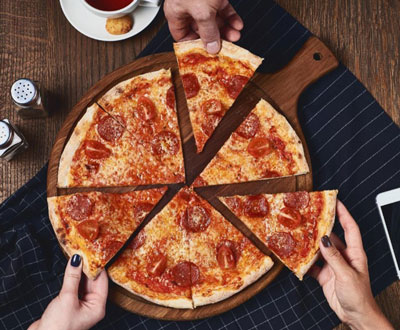
Mangia! October is National Pizza Month
Saucy, cheesy, delicious, and available in oh so many creative combinations, it’s no wonder why there’s an official annual celebration of pizza!
National Pizza Month was first created in 1984 by publisher and pizzeria owner Gerry Durnell to mark the debut of his magazine, Pizza Today. Three years later, in 1987, the United States Congress officially declared October as National Pizza Month.
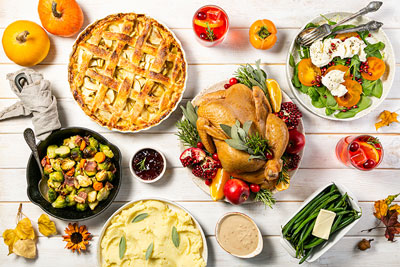
Make Your Seasonal Menus a Sensational Success
Although the summer just ended, now is the time to think about the HOLIDAYS! If your establishment offers special menus, menu items, and/or limited-time offers for Thanksgiving, Christmas, New Year’s Eve, New Year’s Day, and more, planning can help you drive traffic and increase sales during the busy holiday season to come.
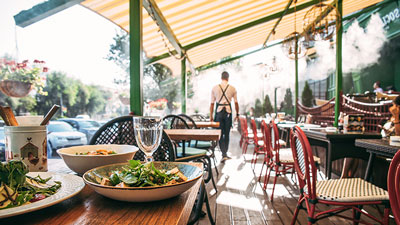
Durable Waterproof Menus are A Must For Outdoor Dining
Dining al fresco is here to stay. Not only do area visitors enjoy outdoor dining experiences while vacationing and taking in the sights, but it has also become the norm as a result of the pandemic. Whatever reason your establishment features this always-welcome, customer-friendly option, one thing is clear: sturdy, waterproof menus are essential. Laminated waterproof menus not only look great but provide optimal performance!
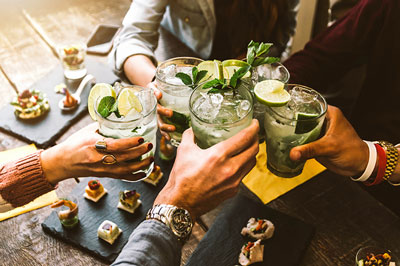
Summer Drink Menus: Get Ready to Sip Up the Sales!
Cheers to summer! Warmer weather means cool, refreshing specialty drinks. Whether crafted with alcohol or non-alcoholic, it’s essential to promote all your seasonal specialties in an attention-getting manner so you can increase your summertime guest checks.
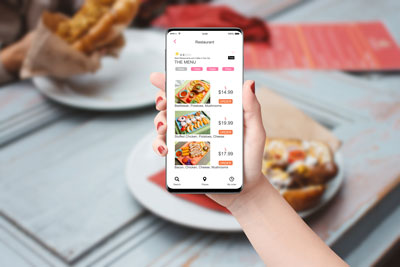
Menus & Websites: The Perfect Match
All restaurant owners and operators know their menus matter and some have amped up online promotional efforts with websites as well. Today, we’re going to focus on the value of having a great-looking, easy-to-navigate, customer-friendly website that matches your menu as well as your overall brand.
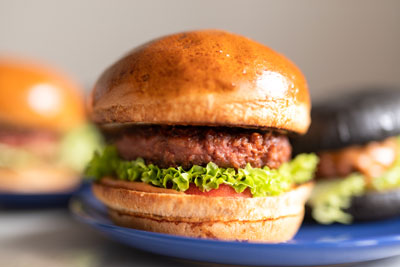
Menu Update: The Increasing Popularity of Plant-Based Foods
Plant-based foods are everywhere these days. Naturally appealing to non-carnivores, even meat eaters are digging in, trying something different, and discovering new alternatives that taste good. Are you ready to offer tasty plant-based options at your restaurant and get in on this growing trend? Let’s look at some interesting stats, see what restaurants have been serving alternatives, and explore this burgeoning market.